NEWS
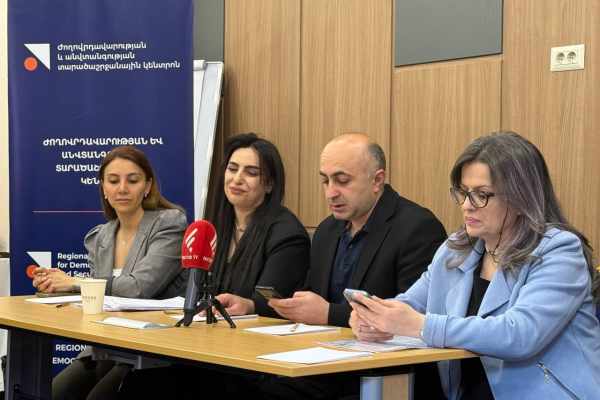
Discussion: Inclusion of Nagorno Karabakh Refugees in the Armenian Labor Market
On April 27, a discussion titled "Inclusion of Nagorno Karabakh Residents in the Armenian Labor Market" was organized by the Regional Center for Democracy and Security.
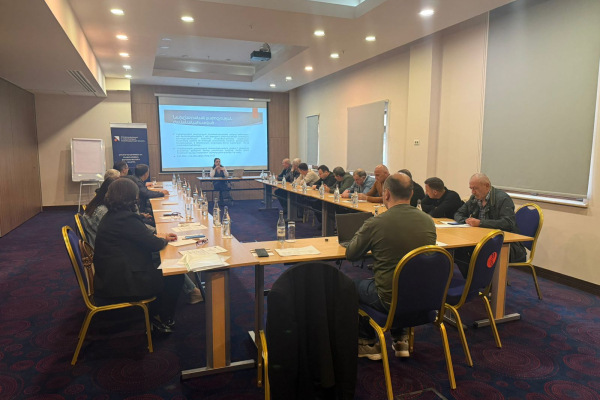
Second RCDS Workshop Held for Nagorno-Karabakh Community Leaders
On April 12, the second workshop for community leaders from Nagorno-Karabakh took place within the framework of the Regional Center for Democracy and Security’s project “Enhancing Democratic Inclusion for Nagorno-Karabakh Refugees.” The workshop brought together mayors of towns and villages, as well as heads of regions, from Nagorno-Karabakh.
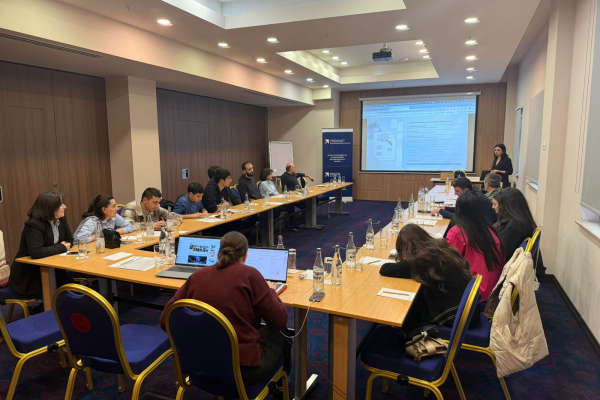
RCDS workshop for young leaders from Nagorno-Karabakh
On April 4, the Regional Center for Democracy and Security organized the first workshop on electoral processes, civic participation, and countering disinformation in Yerevan as part of the project “Enhancing Democratic Inclusion for Nagorno-Karabakh Refugees.” The workshop’s target group was young leaders from Nagorno-Karabakh.

RCDS discussion on Territorial Defense
On February 26, RCDS organized a discussion on the topic of "Territorial Defense: International Experience and Armenian Realities." The speakers were the first commander of the RA Territorial Defense Forces, Colonel Suren Surenyan, and RCDS security analyst Eduard Arakelyan.

RCDS hosts Third Annual Armenian Conference on Democratic Security
On February 17, 2026, the Third Annual Armenian Conference on Democratic Security took place, bringing together members of Armenia’s civil society and expert community, representatives of diplomatic missions accredited in Armenia, and other interested stakeholders.

Hayk Khanumyan joins RCDS Team
We are pleased to announce that Hayk Khanumyan has joined the RCDS team as an expert. Khanumyan graduated from the Faculty of International Relations at Yerevan State University and also specialized in European Studies at the University of Strasbourg. From 2015 to 2020, he served as a member of the National Assembly of Nagorno-Karabakh. From 2020 to 2022, he held the position of Minister of Territorial Administration and Infrastructure of Nagorno-Karabakh.

RCDS discussion: The Instrumentalization of Justice in Armenia and Civil Society’s Response
The Regional Center for Democracy and Security organized a discussion on November 19 titled “The Instrumentalization of Justice in Armenia and Civil Society’s Response.” The event was moderated by RCDS Director Tigran Grigoryan, with Hasmik Harutyunyan, a legal expert at the NGO Protection of Rights Without Borders, serving as the speaker.
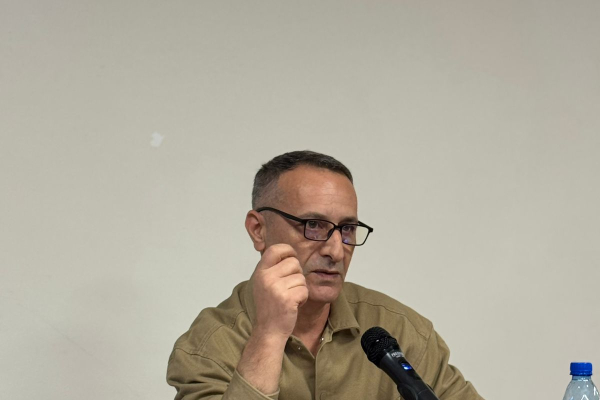
RCDS Discussion on Lessons of the Russo-Ukrainian Conflict for Armenia
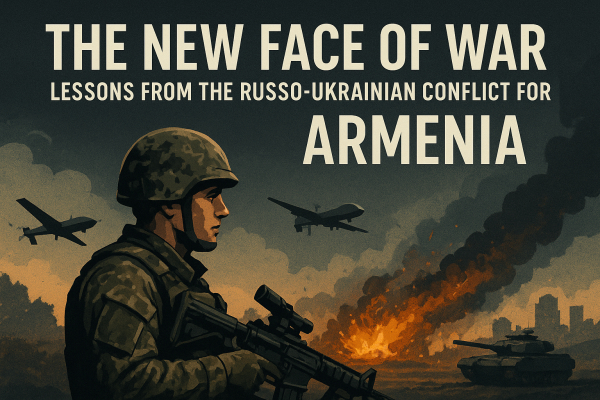
On October 8, the Regional Center for Democracy and Security held a discussion of its report “The New Face of War: Lessons of the Russo-Ukrainian Conflict for Armenia.”
The report’s author, Eduard Arakelyan, presented the main findings of the study, drawing parallels with Armenia’s own context.
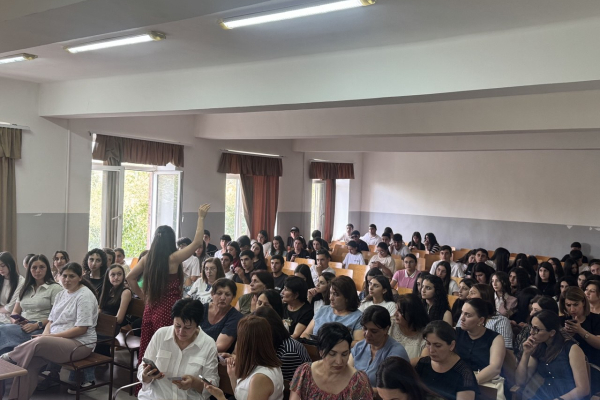
RCDS Completes Participatory Budgeting Awareness Campaign in Armenia’s Largest Community, Artashat
The awareness-raising campaign phase of the Participatory Budgeting process has been completed in Armenia’s biggest enlarged community, Artashat. As part of this phase, 38 awareness-raising sessions were held in 37 rural and 1 urban settlement.
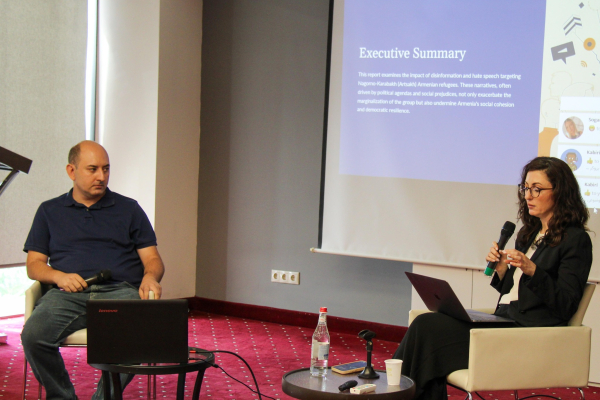
RCDS report presentation: "Narratives of Division"
On July 29, the Regional Center for Democracy and Security presented its latest report, “Narratives of Division: Ruling Party-Linked Hate Speech Against Karabakh Armenian Refugees.”

Discussion: Challenges to the Consolidation of the Party System in Armenia
The panel featured politician Hayk Khanumyan and Liana Badalyan, Program Manager at the Friedrich Ebert Foundation’s Armenia office.

Direct Dialogue: Addressing Refugee Needs in Armenia
On February 4, the Regional Center for Democracy and Security (RCDS) held a conference
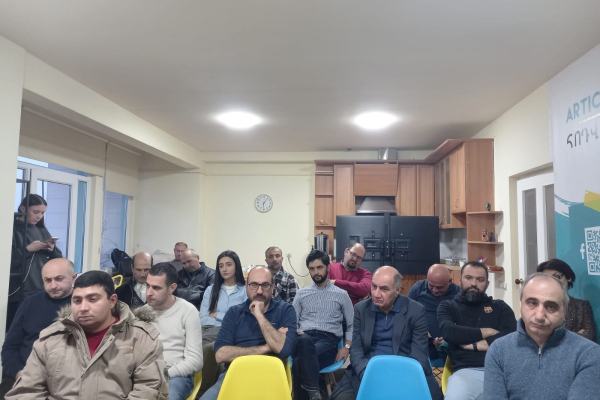
RCDS Holds a discussion on Challenges Facing the Expert Community in Armenia
On January 23, a discussion titled “Challenges Facing the Expert Community in Armenia” took place.

Second Annual Armenian Conference for Democratic Security
On December 16, the Second Annual Armenian Conference for Democratic Security took place, bringing together experts, policymakers, and civil society representatives to discuss Armenia's democratic development amidst a challenging geopolitical and security landscape.

Webinar by RCDS and the Heinrich Boell Foundation
On October 15, The Heinrich Böll Foundation’s Tbilisi Office for the South Caucasus Region hosted a Böll Talks webinar examining Armenia's strategic dependencies on Russia. The event featured the presentation of the report, "Armenia's Structural Dependence on Russia: Trade, Energy, Security," prepared by the Regional Center for Democracy and Security.

New Research Presentation: Armenia's Structural Dependence on Russia
On September 27, the Regional Center for Democracy and Security (RCDS) presented its new research, "Armenia's Structural Dependence on Russia: Trade, Energy, Security," to an audience of invited guests. This research was conducted in collaboration with the Heinrich Böll Foundation's Yerevan Office for the South Caucasus region.

RCDS Visits to HCA Vanadzor and Journalists' Asparez Club: Supporting the Integration of Nagorno-Karabakh Refugees
On September 21, as part of the RCDS program focused on integrating Nagorno-Karabakh refugees into Armenia's NGO and analytical sectors

RCDS Director Tigran Grigoryan Testifies at U.S. Helsinki Commission Congressional Hearing on Armenia
On September 10, Tigran Grigoryan, director of the Regional Center for Democracy and Security (RCDS), delivered a testimony at the U.S. Helsinki Commission's Congressional hearing on Armenia. His address emphasized the urgent need for international support to strengthen Armenia’s democracy and security in the face of ongoing challenges.

RCDS Hosts Discussion on Integrating Artsakh Officers into Armenia's Security Structures
On August 30, the Regional Center for Democracy and Security hosted a discussion titled "Integration of NK refugees into Armenia's Security Structures: Challenges and Next Steps."

RCDS Retreat Equips Nagorno-Karabakh Refugees with NGO Skills
On August 24-25, the second RCDS retreat under the "Integration of Nagorno-Karabakh Refugees

Visit to APRI Armenia
On August 6, participants from the RCDS project, which focuses on integrating Nagorno-Karabakh
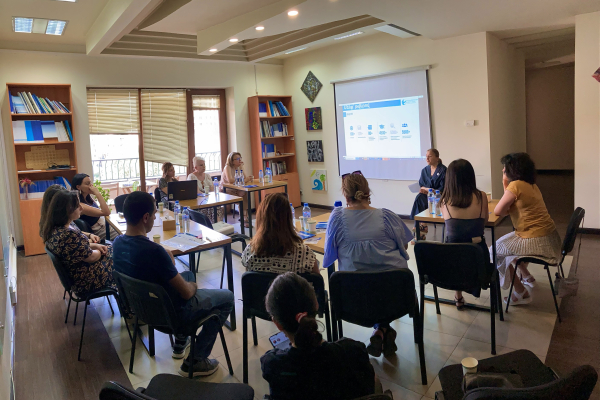
Visit to Transparency International Anti-Corruption Center
On July 12, participants from the RCDS project focused on integrating Artsakh refugees

visit to the caucasus institute
On June 20, we visited the Caucasus Institute research center with participants of the People's Democratic Party program for the integration of Artsakh refugees in the analytical and NGO fields of Armenia. During the meeting, Caucasus

RCDS retreat in aghveran
On May 25-26, a retreat organized by the Regional Center for Democracy and Security took place in Aghveran as part of the project "Integration of Nagorno-Karabakh Refugees in the Analytical and NGO Fields of Armenia."
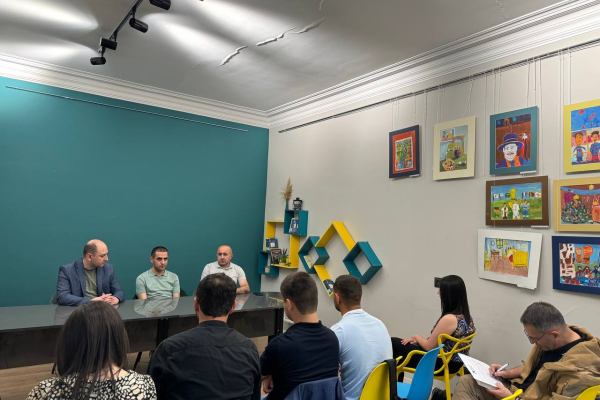
Discussion on Housing Assistance Program for Displaced Families from Nagorno-Karabakh Organized by RCDS
On January 22, the Regional Center for Democracy and Security (RCDS) organized a discussion on the Armenian government's housing assistance program for displaced families from Nagorno-Karabakh. The speakers included RCDS expert Aram Tadevosyan and former Minister of Territorial Administration and Infrastructures of Artsakh, Hayk Khanumyan. The discussion was moderated by RCDS head Tigran Grigoryan.

Meeting at the Eurasia Partnership Foundation
On May 7, we had the opportunity to accompany participants from the "Integration of Artsakh Refugees in the Analytical and NGO Fields in Armenia" project, generously supported by the Eurasia Partnership Foundation (EPF), on a visit to EPF headquarters. During the visit, EPF staff shared insights into their organization's mission and ongoing programs with our project’s participants, many of whom previously led NGOs in Artsakh that have recently re-registered in Armenia following forced displacement. This visit provided our project participants with valuable insights into the practical opportunities offered by EPF to support integration efforts.

RCDS Welcomes Eduard Arakelyan and Aram Tadevosyan
We're excited to announce Aram Tadevosyan and Eduard Arakelyan as the newest additions to RCDS. Aram brings extensive project management skills, while Eduard offers deep analytical expertise. Their combined experience in private and public sectors enriches our think tank's ability to deliver insightful solutions. We're eager to see their contributions in driving impactful outcomes
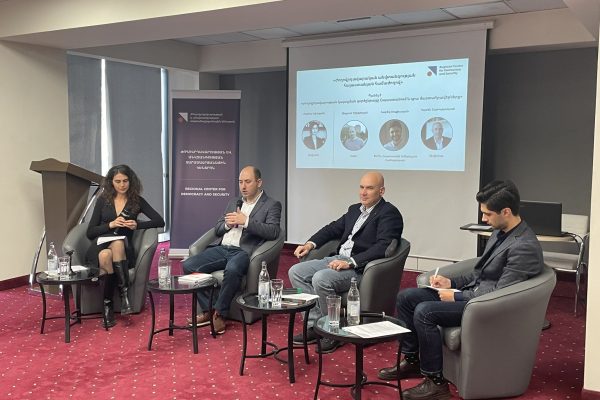
Inaugural Conference on Democratic Security in Armenia
The Regional Center for Democracy and Security (RCDS) hosted its first-ever Democratic Security in Armenia conference on December 14. The conference featured three dynamic panels, each exploring critical aspects of Armenia's democratic and security landscape.

Stephanie Thain Joins the RCDS Team as intern
Barev! I am Stephanie Thain, the most recent addition to the RCDS team, from London. My time in Armenia has been a remarkable experience for me thus far, and despite being only ten days into my journey, I am already contemplating extending my stay. Having recently completed my Bachelor of Arts in Anthropology at the University of Bristol, I am eager to apply my research skills in this unique environment. I am currently enrolled in the Birthright program and have completed an intensive language course where I was able to improve my rudimentary knowledge of Western Armenian and build on my conversational abilities which I hope to use in my new role here.

Joint Statement by a Group of Armenian Civil Society Organizations on the Press Statement by Charles Michel
The undersigned civil society organizations in Armenia express their alarm over the press statement of July 15 made by Charles Michel, President of the European Council, following the latest trilateral meeting with Prime Minister Pashinyan and President Aliyev. Specifically, we are concerned that the announcement equates the Lachin Corridor and Aghdam as options to address the current humanitarian crisis.

Working Dinner with Matthias Lüttenberg
The head of the Regional Center for Democracy and Security Tigran Grigoryan had a working dinner yesterday with Matthias Lüttenberg, Director for Eastern Europe, Caucasus and Central Asia of the German MFA. The deepening humanitarian crisis in Nagorno-Karabakh and the ongoing peace talks between Armenia and Azerbaijan were discussed during the meeting.

Meeting with ''Shell'' Vice President Joanna Kunsberg at the RCDS Office
On June 30, Joyanna Kunsberg, Vice President of the ''Shell'' company, and Anatoly Leontiev, Regional Senior Advisor, visited the Regional Center for Democracy and Security. Issues related to regional security were discussed during the meeting.

Working Breakfast with Bundestag Member Ms. Merle Spellerberg
On June 26, Tigran Grigoryan, the Head of the Regional Center for Democracy and Security, had a working breakfast with Ms. Merle Spellerberg, a member of the German Bundestag, member of the committees on foreign affairs and defense, rapporteur for the South Caucasus of the green parliamentary group. During their meeting, they discussed various aspects of the Armenia-Azerbaijan peace process, the humanitarian situation in Nagorno-Karabakh, and issues related to Armenia’s foreign policy.

The Visit of the Finnish Ambassador to the RCDS Office
On May 24, the Regional Center for Democracy and Security hosted Ms. Kirsti Narinen, the roving Ambassador of Finland to the South Caucasus, along with Tanya Taminen and Dimitri Saramonov from the Konrad Adenauer Foundation. They discussed the internal situation in Nagorno-Karabakh and several regional issues with the guests. Furthermore, they discussed the role of the EU in initiatives that contribute to the establishment of trust and stability in the Armenian-Azerbaijani context.

The visit of the Swedish ambassador to the RCDS office
The ambassador of Sweden to Armenia, Patrick Svensson, visited the office of the RCDS on May 11th. Ambassador Svensson and the head of the RCDS, Tigran Grigoryan, discussed the recent developments in the region and exchanged views on other pressing issues. Mr. Grigoryan stressed the importance of EU engagement in the Armenia-Azerbaijan peace process and talked about the need for the creation of viable international security mechanisms in Nagorno-Karabakh.
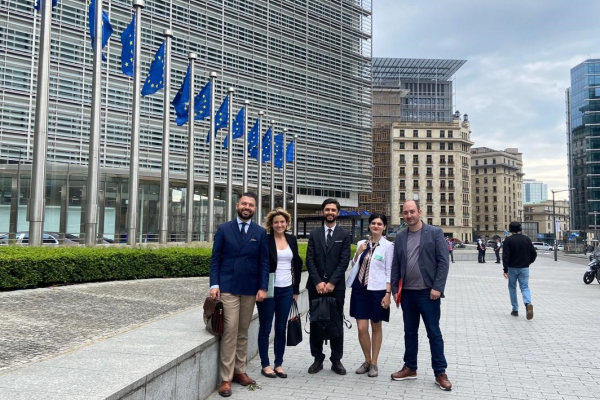
The visit of the RCDS president Tigran Grigoryan to Brussels
The Friedrich-Ebert-Stiftung Yerevan and Brussels offices jointly organized an expert visit to the EU institutions from 5th June to 8th June 2023. This visit served as a platform for fruitful engagement, encompassing meetings and the exchange of ideas with members of the European Parliament, the European External Action Service, the Office of the Special Representative for the South Caucasus and the Crisis in Georgia, the Directorate-General for Neighbourhood and Enlargement Negotiations, and the Directorate-General for Energy, among others.



Latest Publications

Sustainable peace should not depend on election results: Tigran Grigoryan’s interview with Radio France International (RFI)
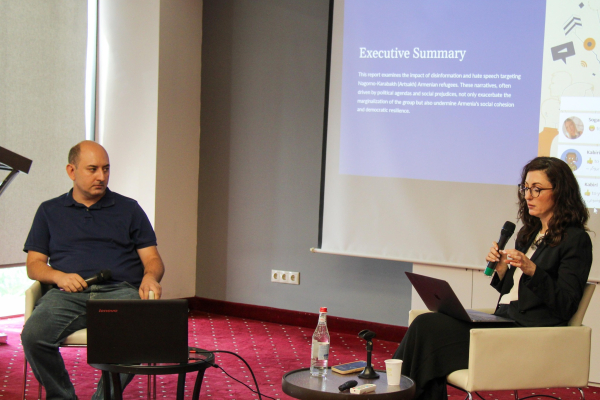
Ahead of the upcoming parliamentary elections in Armenia, discussions about a possible war with Azerbaijan have resurfaced. Prime Minister Nikol Pashinyan and his closest allies describe the opposition bloc “Armenia” and the parties “Strong Armenia” and “Prosperous Armenia” as a “three-headed party of war,” warning citizens that if the opposition wins, a war could begin as early as September. The Russian-language редакция of RFI discussed with Tigran Grigoryan, Director of the Regional Center for Democracy and Security, the role of Armenia–Azerbaijan relations during the pre-election period and the progress of the peace process.
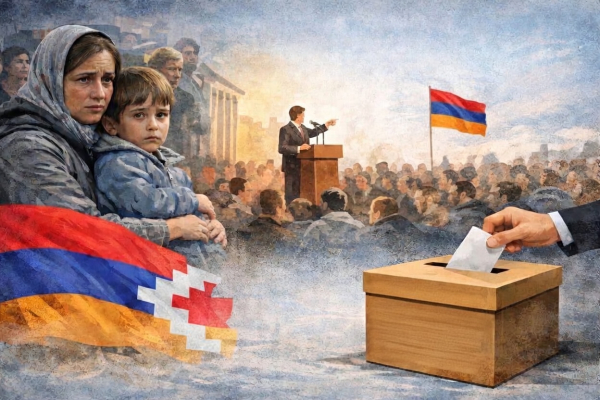
Parliamentary Elections in Armenia and Hate Speech Against Nagorno-Karabakh Refugees: March 2026
Following the ethnic cleansing that took place in Nagorno-Karabakh in September 2023 and the forced displacement of the entire population, numerous challenges continue to persist in the process of integrating refugees from Nagorno-Karabakh in Armenia. Over the past two and a half years, the majority of international and Armenian stakeholders have focused on addressing challenges related to the socio-economic integration of refugees. However, among the most significant factors hindering the integration of Nagorno-Karabakh refugees are the hate speech generated against them and the issue of their civic participation.
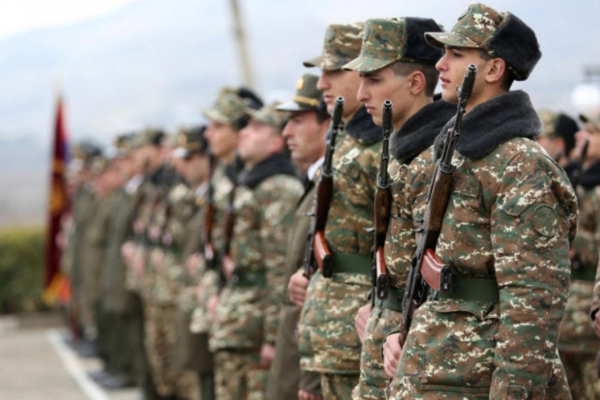
When Elites Opt Out: Military Service and Social Inequality in Armenia
In Armenia, representatives of the authorities from time to time make statements that directly affect the prestige of military service and public attitudes toward the army. Particular attention was drawn to remarks by the chairman of the parliamentary committee on defense and security, Andranik Kocharyan, who stated that his son, who has not served in the army, is “a very high-class guy,” and that with such knowledge, people would not serve in the army.
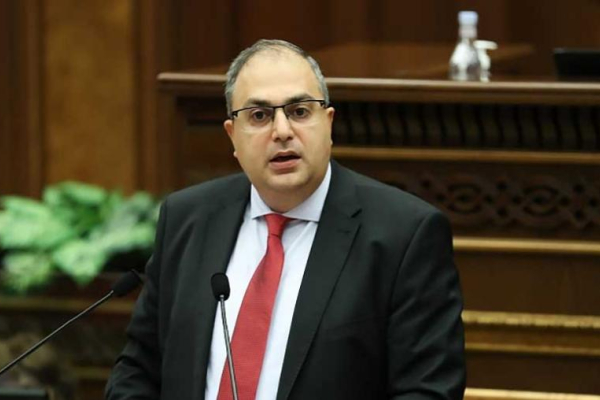
Vladimir Vardanyan’s election and the ongoing politicization of Armenia’s judiciary
On March 25, 2026, the National Assembly elected Vladimir Vardanyan as a judge of the Constitutional Court. Only members of the ruling “Civil Contract” faction participated in the vote.
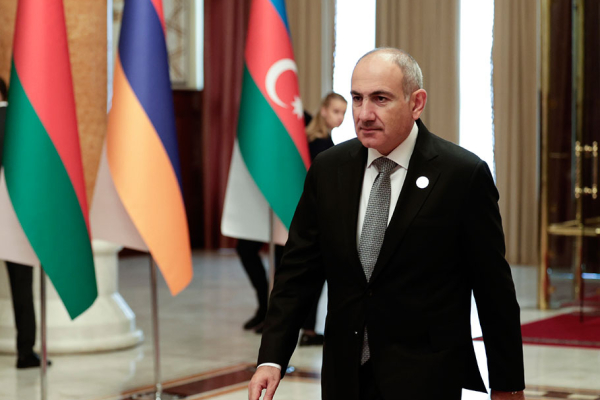
The risks of Pashinyan’s fear-mongering tactics ahead of Armenia’s elections
Pashinyan’s claims that the opposition is preparing a new war with Azerbaijan risks justifying non-democratic and even unconstitutional measures.